Pipe size and cap type
State the nominal pipe size and identify the component as a butt-weld cap. Include the drawing reference when the cap belongs to a defined piping line or a larger material list.
Aluminum butt-weld fittings
Specify the nominal pipe size, schedule, alloy and quantity for a practical aluminum pipe cap quote.
Request a Quote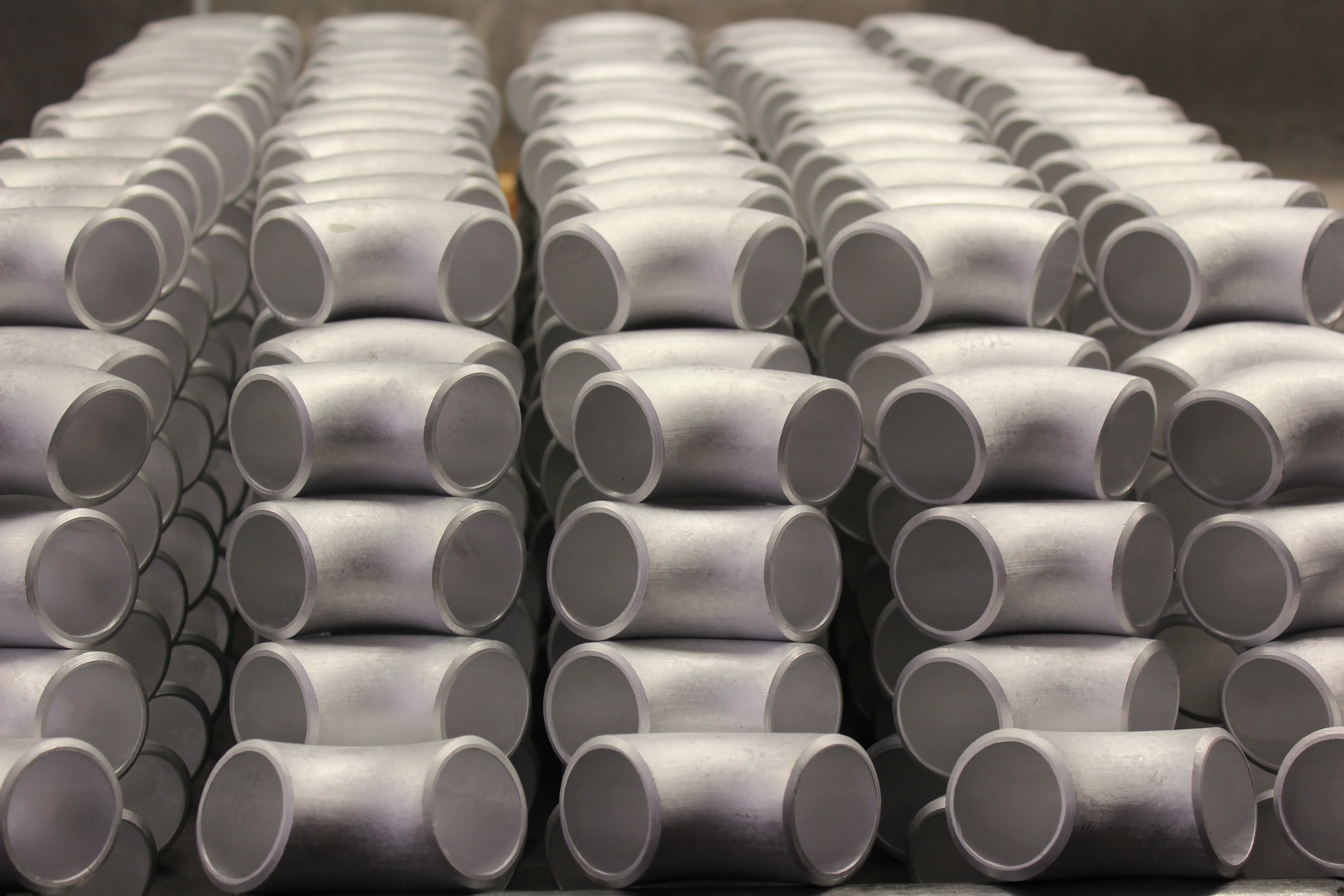
Specified for the end of the run
An aluminum pipe cap closes the end of a butt-weld piping run. That sounds straightforward, but the cap still has to match the nominal pipe size, schedule or wall, alloy and weld-end requirements of the line it joins. Those details determine whether a standard fitting is a sensible starting point for the job.
Aluminum Pipe Fittings supplies 5086 H32 and 6061 T6 aluminum fittings from stock in 1/2 inch through 8 inch sizes. The published butt-weld cap range extends from 1/2 inch through 12 inches. Where the project calls for a special configuration, larger fabricated work, matching flanges or companion pipe, custom fittings, flanges and pipe are available up to 48 inches.
A butt-weld cap is used to terminate a pipe end. Before requesting one, identify whether the cap is closing a new section of pipe, replacing an existing end fitting, or completing a larger fabricated assembly. The surrounding parts help define the actual requirement. A cap that shares the nominal pipe size with the line can still be unsuitable if the wall, alloy or weld-end detail does not match.
The published aluminum butt-weld fitting range lists caps from 1/2 inch through 12 inches in schedules from Sch 10 through Sch XXH. This range is a useful starting point when the job calls for a standard cap. The quote request should still tie the cap to the actual pipe size and schedule or direct wall requirement shown on the drawing, takeoff or existing component.
Dimension review
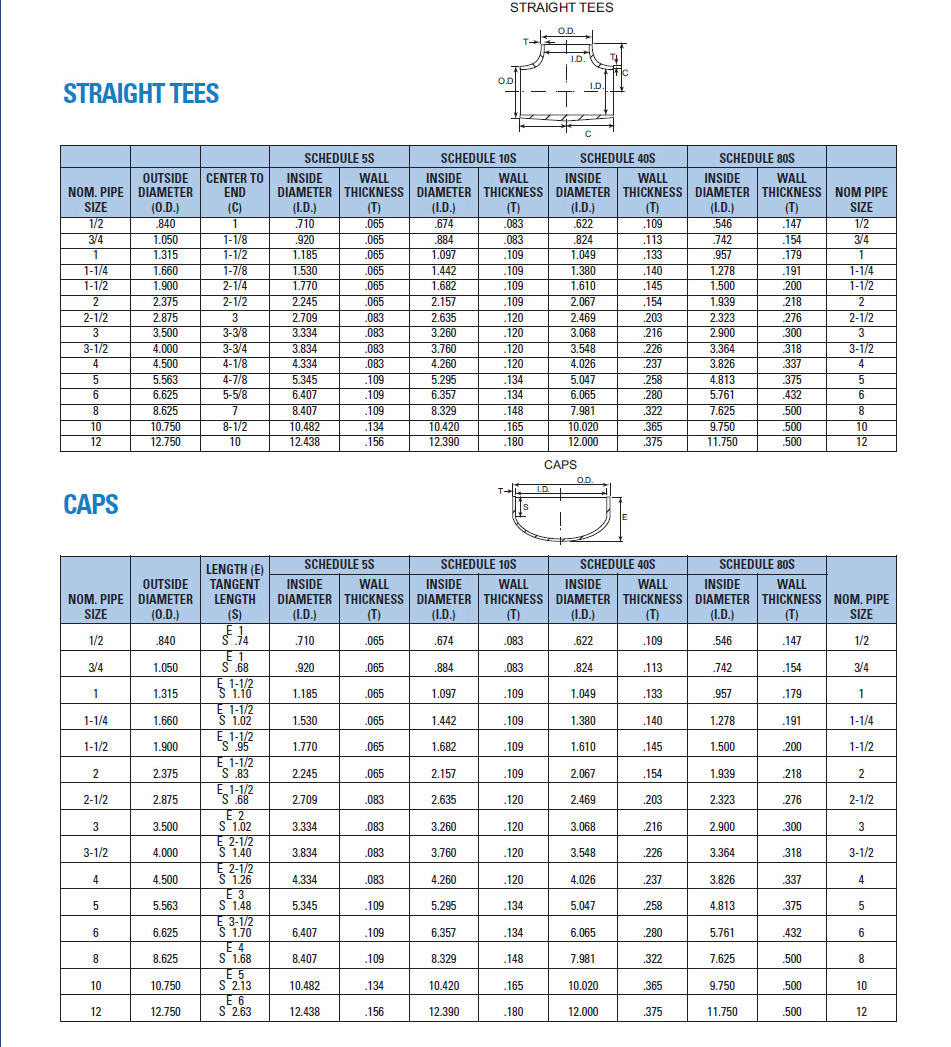
The published tee and cap chart can help identify the standard cap geometry and compare it with the room available at the end of a run. It is useful for preparing a clearer request, particularly when the cap must fit beside another fitting, a flange, a support or fabricated work.
A chart is not the final specification. Confirm the nominal size, schedule or wall, alloy and connection requirements for the complete assembly. When a cap has to match existing pipe, include measured details, photographs or the drawing reference that governs the fit-up.
Nominal pipe size is one part of the description. The schedule or wall requirement is what connects the cap to the wall of the adjoining pipe and the expected butt-weld preparation. If the project documents call out a schedule, include that schedule. If they use a direct wall measurement, provide that measurement with the relevant drawing notes.
The stock aluminum fitting alloys listed on the site are 5086 H32 and 6061 T6. State the required alloy early in the request. This matters when the cap completes a run that has a specific material requirement or when it must work with related pipe, tees, reducers, elbows or flanges. The right diameter does not make a cap interchangeable when the alloy or wall does not align with the assembly.
For a replacement, note the dimensions of the existing pipe and any identifying marks that remain available. For new work, use the bill of materials, isometric or marked drawing as the source. A full description lets the sales team review the cap as part of the connection instead of trying to infer important details from a short line item.
A cap may be the last item on a takeoff, but it is still part of the full piping assembly. The pipe immediately before it may connect through an elbow, tee, reducer, flange or fabricated spool. Reviewing those neighboring components gives the cap request useful context, especially when the end of the run has limited clearance or has to match existing work.
When several related fittings are needed, send the full list together. A package that includes pipe, elbows, tees, reducers, caps, flanges and material requirements is easier to review than isolated item descriptions. It helps establish which fittings may be served by the published range and where a special configuration should be considered.
For tie-in or replacement work, identify which components are existing and which are new. Include relevant weld-end details, measured dimensions and drawing information. This reduces the chance of selecting a cap that looks close in a list but is impractical when it reaches the actual piping connection.
If the cap finishes a section that will later connect to additional fabricated work, include that downstream detail too. It helps the sales team see the complete material path rather than treating the closed end as an isolated part. Include the relevant line-item references, pipe lengths, adjacent fitting descriptions and any inspection requirements that affect how the completed assembly is reviewed. Clear supporting notes make it easier to distinguish a routine cap request from one that needs custom attention.
The standard cap range is a practical place to start when the requested size, schedule and alloy fall within the documented offering. A custom path may be more suitable when the drawing calls for a larger diameter, an unusual end condition, a special fabricated assembly or related custom flanges and pipe.
Custom fittings, flanges and pipe are available up to 48 inches. Include the drawing, nominal pipe size, wall requirement, alloy, quantity and delivery need. Complete information lets the team review the cap in the context of the real installation and respond with a useful quote path.
Review all fitting dimension charts →Quote checklist
Frequently asked questions
The published butt-weld fitting range lists caps from 1/2 inch through 12 inches, with schedules from Sch 10 through Sch XXH. Include the nominal pipe size and schedule or wall requirement so the cap can be reviewed against the adjoining pipe.
The stock aluminum fitting alloys listed on the site are 5086 H32 and 6061 T6. State the required alloy in the quote request so the cap can be reviewed against the material requirement for the piping assembly.
Include the nominal pipe size, schedule or wall, alloy, quantity, butt-weld end requirement, drawing details when relevant, delivery location and needed-by date.
Yes. Custom fittings, flanges and pipe are available up to 48 inches. Send the drawing, dimensions, alloy, wall requirement, quantity and delivery need so the configuration can be reviewed accurately.
Send the cap size, alloy, schedule, quantity and delivery details.