Fitting geometry
Name the fitting type and configuration, such as a 90-degree long-radius elbow, equal tee, reducing tee, concentric reducer, eccentric reducer or cap. For reducers, list both end sizes.
Aluminum butt-weld fittings
Specify the fitting style, schedule, alloy and quantity for a practical 3 inch aluminum pipe fitting quote.
Request a Quote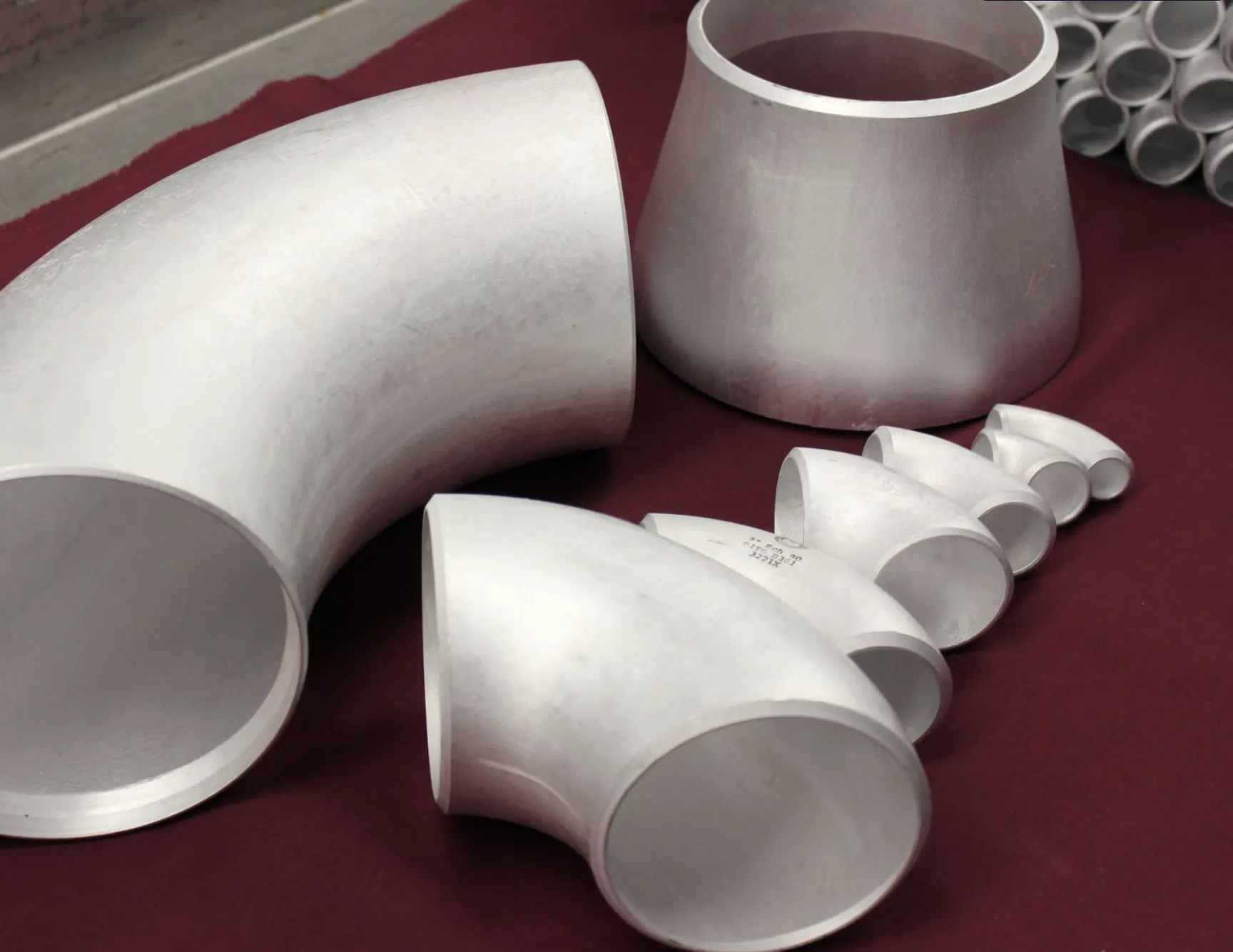
Sized for the assembly
A 3 inch aluminum pipe fitting is large enough that the surrounding layout, weld preparation and supporting components often shape the final choice. The fitting geometry, schedule or wall, alloy, end details and quantity need to work together before the item is quoted.
Aluminum Pipe Fittings supplies 5086 H32 and 6061 T6 aluminum fittings from stock in sizes from 1/2 inch through 8 inches. For work outside the listed stock range or for a special fabricated configuration, custom fittings, flanges and pipe are available up to 48 inches.
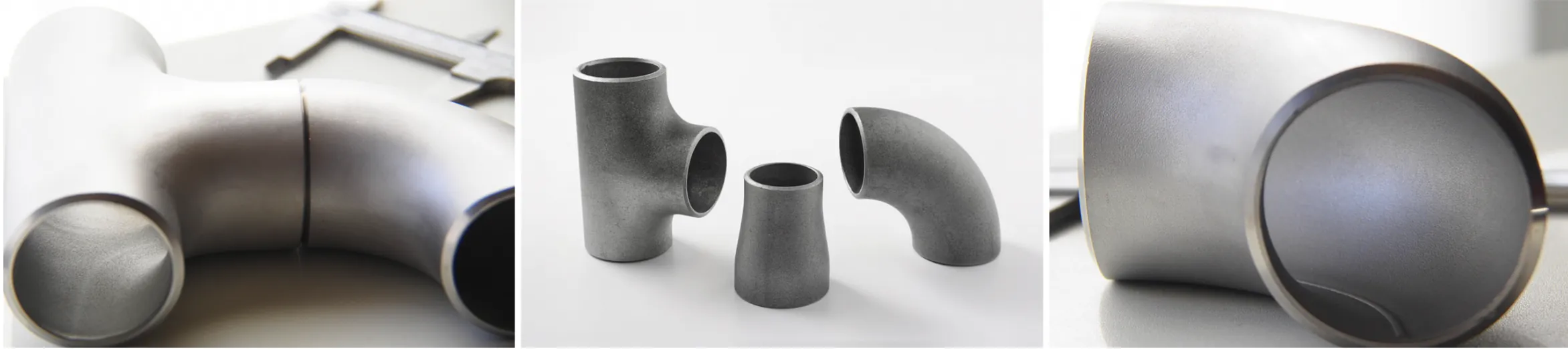
The correct 3 inch aluminum fitting depends on the job it performs in the run. An elbow changes direction. A tee or cross creates a branch. A reducer transitions from 3 inch pipe to another nominal size. A cap closes the end of a run. Each has the same nominal size at one or more ends, but each answers a different piping requirement.
The published butt-weld range includes 3 inch long-radius 45-degree and 90-degree elbows, long-radius 180-degree elbows, and short-radius 45-degree, 90-degree and 180-degree elbows. It also lists caps, concentric and eccentric reducers, and seamless or welded tees and crosses that include 3 inch among their standard sizes. Identifying the configuration first keeps a request tied to the actual piping layout.
Dimension review
A dimension chart is a useful first check when comparing a standard fitting to the available space in a 3 inch pipe run. It helps confirm the likely center-to-end measurement for an elbow, the overall length of a reducer, or the footprint of a tee or cap before the final material request is prepared.
The chart does not replace the drawing or final piping specification. Use it to identify the likely standard configuration, then include the schedule, alloy, end details and mating-component dimensions that control the finished fit-up.
Three inch is the nominal pipe size, not the complete fitting description. The listed standard butt-weld fitting range covers schedules from Sch 10 through Sch XXH, depending on fitting type. The schedule or direct wall requirement needs to match the adjoining pipe and the details shown on the drawing.
The available stock alloys are 5086 H32 and 6061 T6. State the required alloy at the beginning of the request, especially when the fitting replaces an existing component or joins a larger package of pipe, flanges and fabricated work. A fitting that is correct in diameter but wrong in wall or material is not an interchangeable substitute.
When the work uses a drawing, bill of materials or piping isometric, include the identifying line or detail with the request. It provides enough context to review whether a standard 3 inch butt-weld fitting fits the requirement or whether a custom option should be considered.
A 3 inch fitting often sits between components that are not all the same size or type. A tee can branch from a larger run, a reducer can transition into a smaller line, and an elbow can connect to straight pipe, a flange or another fabricated section. The dimensions and materials on both sides of the fitting affect the practical choice.
For a replacement tied into existing pipe, confirm the outside diameter, wall or schedule, weld-end preparation and the available clearance around the connection. A nominal 3 inch description alone does not show whether the fitting must meet an existing centerline, line up with a flange face, or clear a nearby support, valve or structural member. Clear measurements and a photo or drawing make it easier to separate a standard replacement from a fitting that needs a custom approach.
For new work, the drawing or material takeoff is usually the clearest source. Include the line number or marked detail when it identifies orientation, elevation, branch direction or adjacent components. That context matters when a 3 inch elbow changes the route, when a tee creates a branch to another size, or when a reducer transitions to a different run. It keeps the fitting request connected to the system rather than treating the item as a standalone part.
When multiple fittings are needed, send the full list rather than separating related parts into isolated requests. Putting elbows, tees, reducers, caps, pipe and flanges in one package helps show how the connection points relate to each other and where a stock fitting may be appropriate.
Stock 3 inch butt-weld fittings are a practical starting point when the geometry, schedule and alloy fall within the listed range. A custom path may be more appropriate when the drawing calls for a special centerline, nonstandard transition, unusual branch arrangement, matching flange or a component that must fit a fabricated assembly.
Custom fittings, flanges and pipe are available up to 48 inches. Include the drawing, material requirement, wall, connection details, quantity and delivery need. Complete information makes it easier to review the 3 inch fitting as part of the actual job rather than as an isolated line item.
For a fabricated request, call out any details that control the finished connection: nonstandard center-to-end dimensions, offset or clocking requirements, special branch placement, mating flange information, inspection requirements, and whether the item must fit an existing spool. These details do not automatically make a part custom, but they show the team where a standard 3 inch fitting should be checked carefully against the assembly before it is selected.
Browse the aluminum butt-weld fitting range →Quote checklist
Frequently asked questions
The listed butt-weld range includes 3 inch long-radius and short-radius elbows, caps, concentric and eccentric reducers, tees and crosses. The required schedule, alloy and configuration determine the practical fit for the job.
Yes. The published range includes 3 inch long-radius 45-degree and 90-degree elbows, long-radius 180-degree elbows, and short-radius 45-degree, 90-degree and 180-degree elbows. Include the required angle and radius with the request.
The listed stock aluminum fitting alloys are 5086 H32 and 6061 T6. State the required alloy with the fitting request so the material requirement stays connected to the component being quoted.
Include the fitting type, 3 inch nominal pipe size, schedule or wall, alloy, quantity, end preparation, delivery location and needed-by date. Include drawing details when the fitting must match existing pipe or a custom assembly.
Send the fitting configuration, alloy, schedule, quantity and delivery details.