Aluminum pipe nipples are short pipe sections used to join compatible threaded connections, extend a run, or make a controlled transition within an assembly. They can look straightforward, but the correct nipple is defined by more than a nominal diameter and a rough length. The pipe size, overall length, wall or schedule, alloy, thread form, end condition, and mating parts need to describe the same job.
That matters most when the nipple sits between fixed components. A small difference in thread engagement, installed length, or end requirement can move a valve, gauge, union, flange adapter, or other connection out of position. Treat the nipple as part of the full assembly, not as a generic spacer that can be selected after the rest of the piping details are settled.
What a pipe nipple does
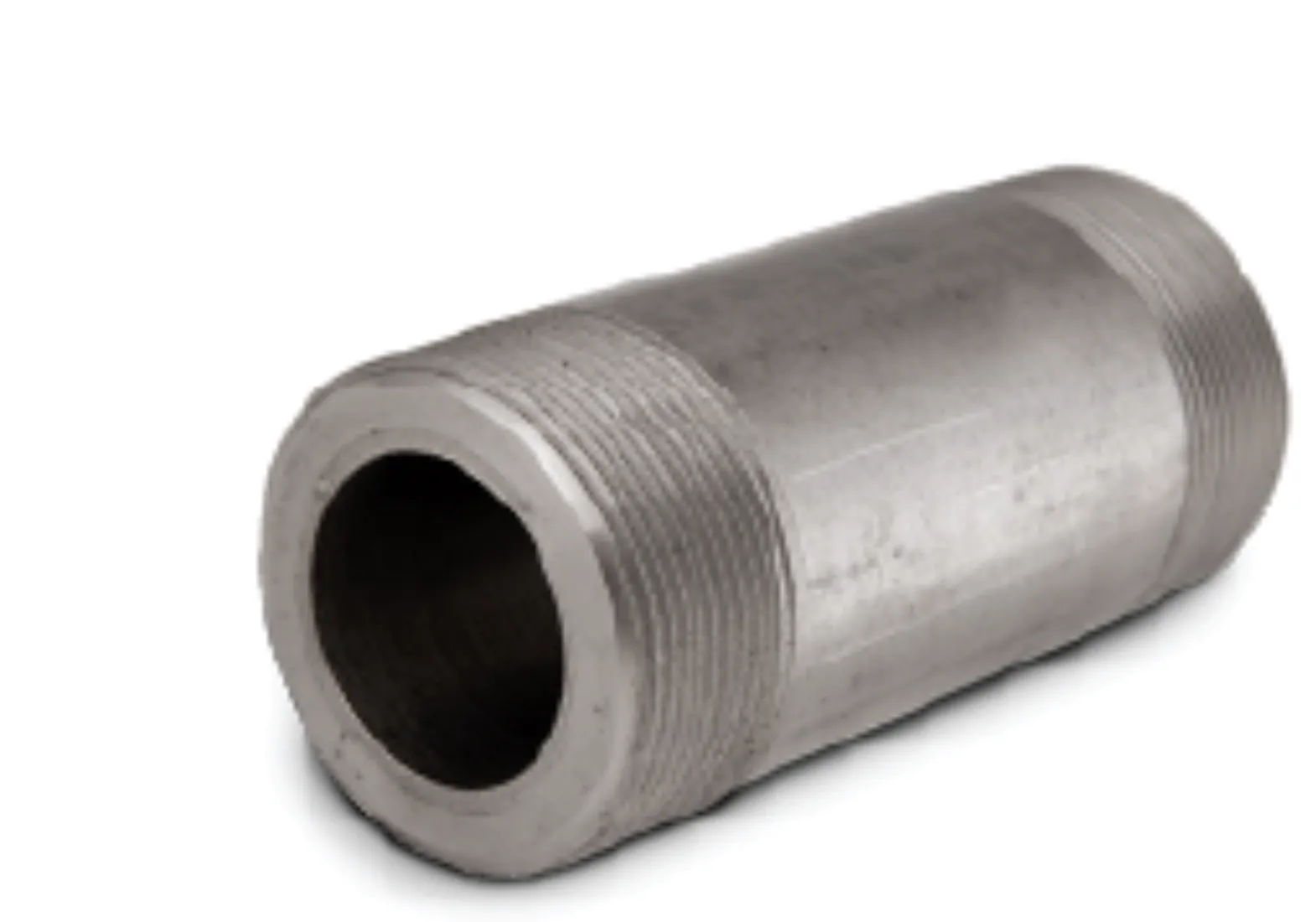
A pipe nipple is a short length of pipe with prepared ends. In a threaded arrangement, it commonly has male threads at both ends and joins two female-threaded components. It can connect fittings, create a short extension from a valve or vessel connection, make room for a union or instrument, or complete a small section of a larger piping package.
The function may be simple, but the installed relationship is not always forgiving. A nipple used between two fixed threaded fittings has to account for the way each end engages. A nipple used as part of a replacement must also match the existing connection type, wall, material, and available space. When the part is connected to a fabricated spool, the dimensions on the drawing should control the request.
Aluminum Pipe Fittings also lists nipples, swages, and EUE connectors for industrial requirements. That page is a useful starting point for reviewing connection options, but the final material and thread details should always be stated in the job specification rather than assumed from the fitting name.
Choose a nipple only when it matches the connection job
A nipple is a straight connector, so it is useful when the line needs length between compatible ends. It is not the right substitute for every short connection. A coupling joins compatible pipe ends but changes the outside profile of the assembly. A swage changes from one pipe size to another. An adapter may join different thread forms, end types, or fitting standards. A reducer or bushing may be the correct component when the job needs a size transition rather than added length.
Start by identifying what must change in the assembly. If both ends are the same nominal pipe size and the goal is to bridge a short distance, a nipple may be appropriate. If the two ends differ in size, thread system, pressure class, or connection style, specify the transition that is actually required. The site’s connector range groups nipples with swages and EUE options because these choices are often evaluated together.
This distinction prevents a common purchasing error: trying to solve a reduction or compatibility issue with a longer piece of threaded pipe. A nipple can add length, but it should not be expected to change the functional requirements that belong to a different fitting. When the connection is not obvious, include the two mating parts and the drawing in the request.
Start with nominal pipe size, not the outside measurement alone
Pipe nipples are normally described by nominal pipe size. That designation is a sizing system, not a direct statement that the outside diameter equals the printed nominal size. A request for a 1 in. nipple, for example, needs to stay consistent with the nominal pipe size and thread system used by the mating fittings.
Before releasing a request, compare the nipple size with both mating components. Identify whether the surrounding parts are threaded fittings, valves, adapters, instruments, or a mix of components. A nominal size that sounds familiar can still be wrong when one part follows a different connection standard or when a drawing uses outside diameter rather than nominal pipe size.
Keep the size convention visible in the purchase description and drawing. If the work includes butt-weld components as well as threaded pieces, the site's dimension charts can help identify the related fitting geometry. They do not replace the specific thread, wall, and installed-length requirements for the nipple itself.
Specify the length around the installed assembly
Overall length is the usual starting point for a pipe nipple, but it is not the only dimension that affects fit. On a threaded assembly, each end engages into a mating fitting. The resulting installed space depends on the nipple length, thread engagement, fitting geometry, thread condition, sealing method, and how the connected parts must be oriented.
For an open-ended extension, an overall length may be enough. For a nipple between fixed items, first determine the dimension the assembly must hold: a face-to-face distance, a clearance to a wall, the position of a valve handle, a gauge orientation, or the location of a support. Then provide the drawing or measurement that governs that installed condition.
Do not assume a standard short nipple will solve a fixed-distance problem. A close nipple, a short nipple, and a longer threaded nipple serve different assembly needs. If the dimension is critical, name the overall length and show the mating components. This reduces the chance that a correct-looking part creates a bad fit after it is tightened into place.
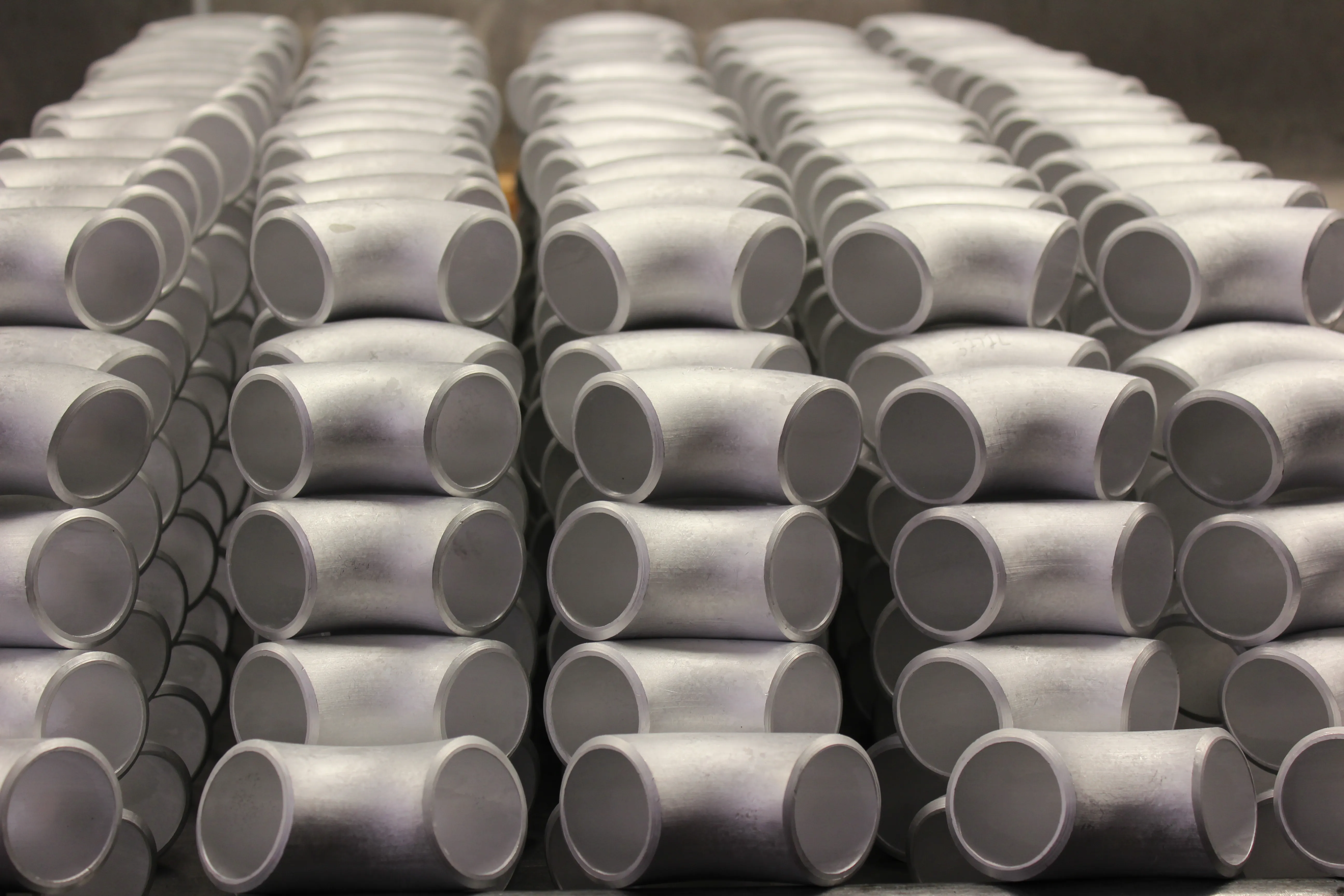
Match the thread and end condition to the mating parts
Threaded pipe connections need a shared thread form and compatible mating ends. The request should identify the thread standard called for by the project, such as NPT, BSPT, API or another specified system, rather than simply saying “threaded.” The connector page lists several thread and end options because the right choice depends on the existing piping and the project documents.
Also state whether both ends are threaded or whether the nipple needs a combination of ends. A job may call for threads on both ends, one threaded end and one bevel end, a plain end for later fabrication, or another controlled arrangement. The end description belongs with the length, not as an afterthought, because it changes how the part joins the assembly.
Thread type should be verified against the actual mating components. A tapered thread and a parallel thread are not interchangeable just because their nominal size appears similar. The fitting, pipe, sealant, service, and applicable code should be reviewed together by the responsible project team before installation.
Keep wall, alloy, and service requirements together
Wall or schedule affects the pipe section itself and can matter to strength, thread engagement, bore, fabrication, and how the nipple matches the adjoining pipe or fitting. Include the required schedule or wall dimension in the line item. A request that only gives nominal size and length leaves too much open for a part that must fit and perform within a defined piping system.
For aluminum work, name the required alloy and temper from the project specification. Aluminum Pipe Fittings provides information on aluminum alloy options and stocks 5086 H32 and 6061 T6 for its listed aluminum fitting range. The final material path for a nipple should be confirmed for the actual connection style, service, and documentation requirements, especially on custom work.
It is also important to distinguish material standards by product form. ASTM B429/B429M covers extruded aluminum-alloy structural pipe and tube, while the site’s ASTM B361 reference concerns factory-made wrought aluminum welding fittings. Neither title alone defines a complete threaded-nipple requirement. The drawing, governing code, material class, and purchase specification decide what is required for a particular job.

Use the surrounding components to catch fit-up issues
A nipple may be one of the smallest items in a piping package, yet it often controls where the neighboring parts land. Look at the components immediately before and after it. Their thread gender, thread form, facing direction, wall, alloy, and fixed dimensions help determine whether a standard nipple can work or whether the assembly needs a different length or end arrangement.
For example, a nipple used with a union should allow the union to be assembled and serviced. A nipple leading into a valve or instrument needs enough clearance for operation and maintenance. A nipple that must line up with a fixed flange, support, or fabricated spool should be reviewed against the full assembly drawing, not measured from one fitting alone.
Include companion parts when they affect the result. The machined connectors catalog can help identify related connector families, while the job drawing remains the source of truth for the final arrangement. Sharing the whole affected section is usually faster than trying to resolve a connection issue from an isolated part description.
Build a complete pipe nipple request
A clear request lets the supplier review one complete requirement instead of filling in missing details. Start with the nominal pipe size and overall length. Then add the material requirement, schedule or wall, thread or end configuration, quantity, and any project-specific standard, inspection, traceability, or delivery requirement.
For a replacement, add photos, markings, measurements, and the details of the two parts it joins. For custom work or a fixed assembly, include the drawing and identify the dimension that must be held after installation. That gives the sales team a practical basis to review the part rather than guessing how much thread engagement or clearance the assembly needs.
Common pipe nipple mistakes to avoid
The first mistake is specifying a length without showing the condition the nipple must achieve once installed. Overall length is useful, but it does not automatically define the final spacing between two fittings. When the assembly must hold a fixed dimension, show that dimension and the mating components.
The second is using “threaded” as though it identifies the thread system. It does not. The thread form, end arrangement, and mating fitting all need to be compatible. A third common gap is leaving out wall and material requirements. Those omissions can affect fit, fabrication, availability, and the supporting documentation needed for the project.
Finally, do not treat an aluminum pipe nipple as interchangeable with a visually similar structural tube or a different alloy pipe section. The required material form, connection preparation, and service suitability need to be defined by the actual job. When the specification is incomplete, send the drawing and ask for the requirement to be reviewed before ordering.
How Aluminum Pipe Fittings can help
Aluminum Pipe Fittings is a division of South Coast Industrial Metals and supports industrial fitting, connector, flange, pipe, and custom fabrication requirements. When the nipple is part of a larger package, sending the companion fittings, dimensions, material requirements, quantities, and timing together makes it easier to review the complete connection rather than one component in isolation.
Start with the nipples, swages, and EUE page for connection options, review the relevant aluminum alloy information, and use the quote request page to send the size, length, alloy, wall, threads, ends, drawing, quantity, and delivery details. That gives the sales team the information needed to determine the practical path for the job.
Frequently asked questions
What is an aluminum pipe nipple?
An aluminum pipe nipple is a short length of pipe used to join two compatible female-threaded connections or extend a threaded piping connection. The final selection still depends on the specified alloy, nominal pipe size, wall, thread form, length, service requirements, and the mating components.
How are pipe nipple lengths measured?
Pipe nipple length is normally stated as the overall end-to-end length. Because thread engagement affects the installed distance between fittings, confirm the required face-to-face or centerline dimension on the drawing instead of assuming that the listed length will produce a particular assembled spacing.
Does a pipe nipple have threads on both ends?
A standard close or threaded pipe nipple commonly has male threads at both ends, but thread arrangement and end preparation are job-specific. State the required end connections, thread standard, and any plain, beveled, or special end requirement in the request.
What information is needed to request an aluminum pipe nipple?
Provide the nominal pipe size, overall length, alloy and temper, schedule or wall, thread type and end condition, quantity, project requirements, delivery location, and needed-by date. Add a drawing when the nipple must match a fixed assembly dimension or a nonstandard end detail.
Can a pipe nipple be made to a custom length?
Custom lengths and end combinations may be possible when a standard nipple does not fit the assembly. Give the controlling installed dimension, mating fitting details, material requirement, thread or end preparation, quantity, and drawing notes so the requirement can be reviewed accurately.