Pipe flange types are easier to recognize than to specify. Several styles can look broadly similar in a photograph, yet they connect to pipe differently, carry different fitting details, and suit different assembly needs. The useful first question is not which flange looks familiar. It is what the joint has to do: join to equipment, allow disassembly, close an opening, make a welded transition, or connect where welding is not part of the plan.
This guide explains the common flange families and the practical details that should travel with a request. It is a selection guide, not a substitute for the approved drawing, applicable code, or project specification.
Start with the job the flanged joint must do
A flanged joint creates a bolted, gasketed connection between compatible components. That makes it useful where equipment, valves, piping sections, or blinds may need to be assembled, inspected, maintained, or replaced. The flange type describes how the flange relates to the pipe or opening. It does not independently define every material, pressure, sealing, or dimensional requirement.
Start by identifying the mating component. Is the flange connecting to another pipe spool, a valve, vessel nozzle, pump, instrument, or a future tie-in? Does the line need a permanent welded transition, a connection that can be broken for maintenance, or a solid closure? This context narrows the right family before any part number or availability discussion starts.
The aluminum pipe flange range lists the flange styles Aluminum Pipe Fittings can review. Once the job is clear, the request should bring the flange type together with nominal size, alloy, pressure class, facing, bore, drilling, and the details of the mating part.
Weld neck flanges for a butt-weld transition
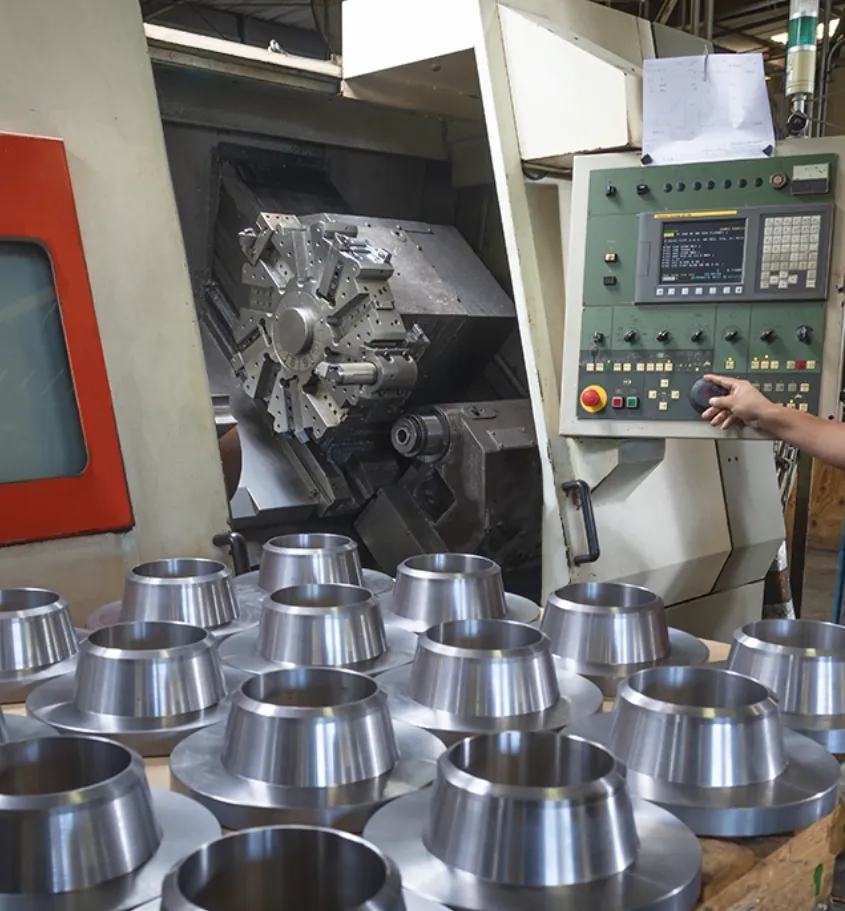
A weld neck flange has a tapered hub that transitions into the pipe and is butt welded at the neck. It is often selected where the piping design calls for that welded transition and the assembly needs a flanged face at the end. The bore, pipe wall, weld end, and mating flange all need to be reviewed together.
Do not select a weld neck flange from nominal size alone. The bore should align with the pipe requirement, and the flange’s facing, class, material, drilling, and hub details have to match the applicable drawing and mating component. Where the assembly is a replacement, capture the existing flange markings, pipe schedule or wall, facing, and bolt pattern rather than relying on a visual match.
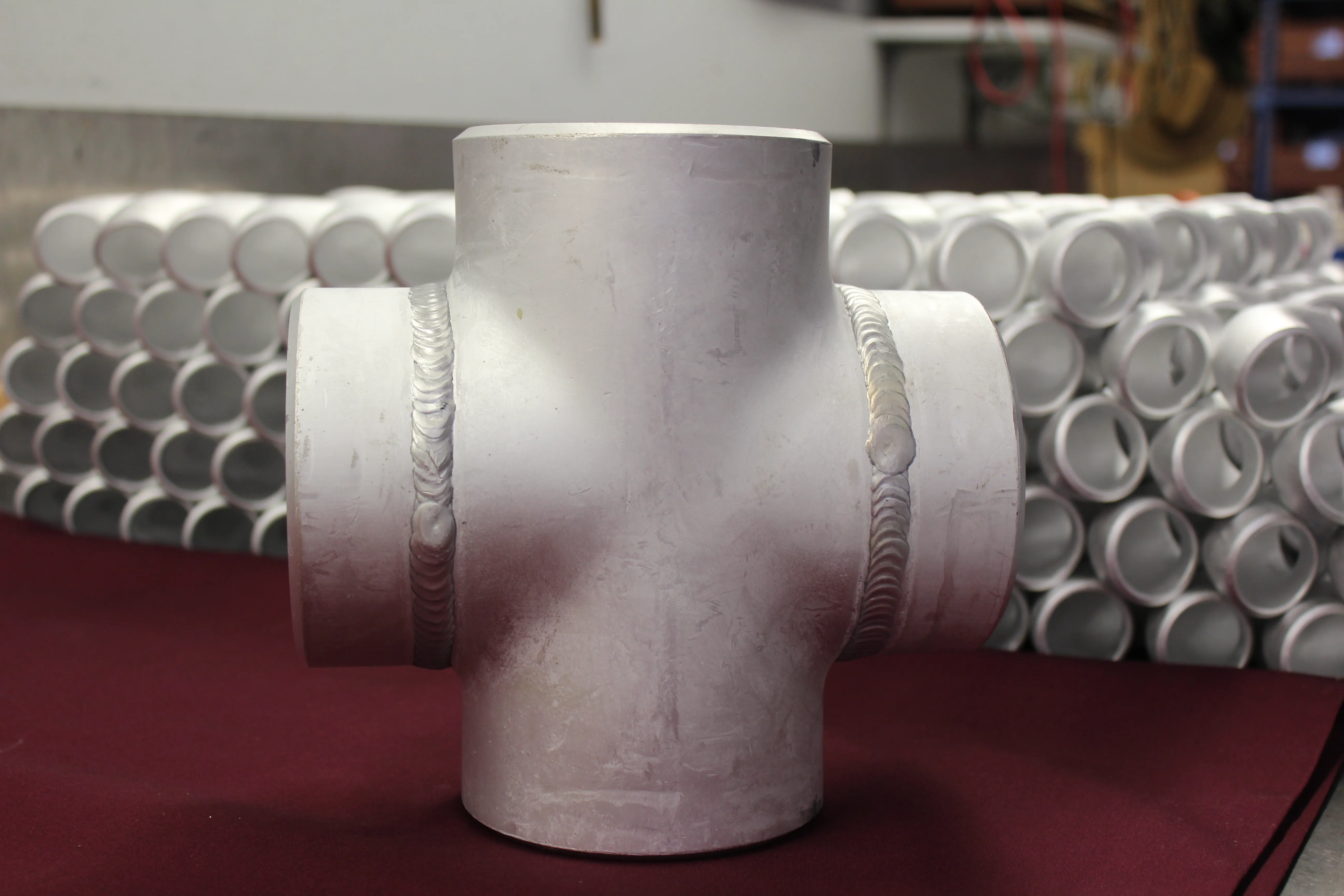
The aluminum butt-weld fitting range is useful when the flange sits within a wider welded piping package. Reviewing the elbows, tees, reducers, pipe, and flange as one requirement helps prevent a correct-looking flange from creating a poor transition at the next weld.
Slip-on flanges for the specified welded assembly
A slip-on flange fits over the pipe before welding. Its attachment method, fit-up allowance, and weld requirements differ from a weld neck flange, even where both appear on a similar nominal size line. The project design, service conditions, and applicable code determine whether that configuration is suitable.
For a useful request, identify the pipe size and wall, required alloy, pressure class, facing, bore, drilling, and the mating component. The pipe has to sit in the intended position relative to the flange face before welding, so the drawing or fabrication detail matters. If the flange must match an existing item, measured hub dimensions and face-to-end information can be as important as the bolt pattern.
Slip-on is a flange type, not a shorthand for a complete flange callout. A request that leaves the facing, class, material, or pipe-wall relationship open still leaves the critical matching work unresolved.
Blind flanges for closing an opening
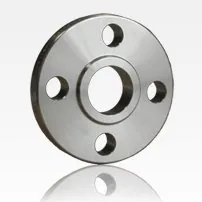
A blind flange closes a flanged opening instead of passing pipe through it. It may be used at a line end, equipment opening, future connection point, test location, or maintenance boundary. Because it closes the opening, a blind flange must still match the flange it bolts to in the ways that matter: nominal size, pressure class, facing, drilling, gasket arrangement, material requirement, and project documentation.
“Blind” does not mean that all other flange details can be inferred. A blind flange with the wrong class, face, bolt pattern, or material may not mate correctly with the intended connection. For a replacement, photographs of both flange faces, stamped markings, bolt-hole measurements, and the service drawing help establish what must be matched.
When the job needs a closure that is part of a custom assembly, include the reason for the closure, the mating flange information, and any vent, drain, inspection, or documentation need on the drawing. Those details are part of the finished requirement, not afterthoughts.
Threaded and socket-weld flanges for distinct connection methods
Threaded and socket-weld flanges solve different connection problems. A threaded flange uses an internal thread to mate with threaded pipe or a threaded component. The exact thread designation and the mating thread requirement must be included. A thread form cannot be identified safely from nominal size alone.
A socket-weld flange receives the pipe in a socket and is welded around the outside. The socket dimensions, pipe wall, welding detail, and service requirement all matter. It should not be treated as interchangeable with a threaded, slip-on, or butt-weld neck configuration merely because the nominal pipe size matches.
The site’s aluminum threaded flange information and socket-weld fitting guidance can help organize an initial request. For either type, specify the connection method in plain language and attach the drawing or mating-component information whenever the connection is replacing existing pipe or equipment.
Lap-joint flanges when the assembly needs a backing ring
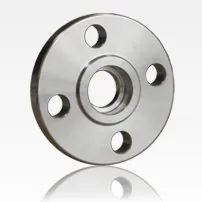
A lap-joint arrangement uses a separate stub end and a loose backing flange. That distinction matters because the ring and the wetted stub end are separate components with separate fit-up needs. The request should identify both pieces, their materials, sizes, facing arrangement, and the way they relate to the pipe and mating flange.
This type can be useful where the assembly needs rotation for bolt-hole alignment or is designed around a stub-end connection. It is not enough to ask for a “lap-joint flange” without identifying the stub end, bore, pipe wall, flange face, class, and mating details. The purchase requirement should make the complete arrangement visible so no one assumes a single-piece flange is intended.
When material selection matters across the assembly, state the material requirement for each relevant component. The aluminum alloy guide is a useful starting point for the listed 5086 H32 and 6061 T6 fitting materials, while the actual drawing and project requirements govern the final material selection.
Facing, class, bore, and drilling are not optional details
Once the flange type is selected, the mating face and dimensional details still decide whether the connection works. The facing is the sealing surface that meets the gasket and mate. The pressure class, material, temperature conditions, standard, and design all influence the appropriate requirement. A class number by itself is not a blanket description of every service condition.
ASME’s B16.5 standard overview describes pressure-temperature ratings, materials, dimensions, tolerances, marking, testing, gaskets, bolting, and joints for covered pipe flanges and flanged fittings. It covers common rating classes and sizes through NPS 24. The standard is a valuable reference, but the actual purchase requirement must follow the drawing, governing code, material rules, and the revision the project calls for.
For any flange request, confirm the nominal pipe size, class, facing, bore, bolt-hole pattern, material, and mating component. If any one item is missing, a supplier may be unable to confirm that the offered flange will bolt up and seal as intended.
Common selection mistakes to avoid
Choosing by outside appearance alone. A flange can look like an existing item and still have the wrong bore, facing, class, drilling, or material. Treat photographs as supporting evidence, then verify markings, measurements, and the mating connection.
Mixing the flange type with the facing. Weld neck, slip-on, blind, threaded, socket-weld, and lap-joint describe different flange or joint configurations. Raised face, flat face, and other face details describe the sealing surface. Both need to be specified because one does not establish the other.
Leaving the mating component out of the request. A flange is only useful when it mates correctly. State whether it connects to pipe, a valve, pump, vessel nozzle, existing spool, or another component. Include the mating standard, drawing, and required bolt pattern when they are known.
Assuming an aluminum flange can be selected separately from the rest of the assembly. The flange needs to work with the pipe, fitting, gasket, bolts, service conditions, and fabrication method around it. When a job includes several components, send the complete bill of materials or drawing so the requirements can be reviewed together.
Using a pressure class as the whole specification. The class is important, but it does not identify the flange type, material, facing, bore, dimensions, or allowable conditions by itself. A complete request makes those details visible instead of asking the supplier to infer them.
Build the request from the mate outward
The cleanest way to specify a flange is to begin with the mating component and work outward. Identify what it connects to, then list the required flange type, size, pressure class, face, bore, drilling, material, and pipe-end configuration. Add the drawing, quantity, delivery location, required documentation, and needed-by date so the review reflects the actual job.
For replacement work, include photographs of the face and markings, measured dimensions, and a view of the mating equipment or pipe. For a new assembly, the drawing should make the connection and any special dimensions clear. That evidence helps distinguish a standard requirement from a custom flange need before a quote is prepared.
How Aluminum Pipe Fittings can help
Aluminum Pipe Fittings lists weld neck, slip-on, blind, orifice, lap-joint, threaded, socket-weld, and custom flange styles from 1/2 in. through 72 in. NPS. The team can review a flange alongside the companion pipe, butt-weld fittings, material requirement, and custom fabrication details instead of treating the flange as an isolated ring. That joined-up review is especially useful when a drawing combines several pipe sizes, a reducer, an equipment nozzle, or a replacement constraint.
Start with the aluminum flange range, then use the quote request page to send the complete requirement and drawing. A well-defined request gives the team a credible basis to identify the right standard or custom path.
Frequently asked questions
What are the main pipe flange types?
Common pipe flange types include weld neck, slip-on, blind, threaded, socket-weld and lap-joint flanges. Each attaches to the pipe or closes a connection differently, so the right choice follows the piping design, service, material, dimensions and applicable project requirements.
What is the difference between a weld neck and slip-on flange?
A weld neck flange has a tapered hub and is butt welded to the pipe. A slip-on flange passes over the pipe and is fillet welded. The drawing, service conditions, piping code and project requirements determine which style is appropriate.
What should be included in a pipe flange request?
Include the flange type, nominal pipe size, material, pressure class, facing, bore, drilling, mating component, quantity, drawing, documentation requirements, delivery location and needed-by date. For a replacement, include photographs, markings and measured dimensions.
Are aluminum pipe flanges available in custom configurations?
Aluminum Pipe Fittings lists weld neck, slip-on, blind, orifice, lap-joint, threaded, socket-weld and custom flange styles. A drawing with the required material, dimensions, bore, facing, drilling and mating details gives the team a practical basis to review a custom need.