Aluminum pipe and fittings are selected as one connected system, not as a stack of separate catalog items. The pipe establishes the run. The fittings change its direction, create branches, close an end, reduce size, connect to equipment, or make future disassembly possible. For the assembly to fit and perform as intended, the size, wall, alloy, end preparation, geometry, and project requirements need to agree from one component to the next.
That is where many otherwise simple requests go sideways. A nominal size can look right while the wall does not match. An elbow can be the right angle but the wrong radius. A threaded replacement can have the correct diameter but the wrong thread form or gender. The most reliable approach is to define what the pipe run must do, then specify the fittings around that requirement.
Start with the piping job, not the fitting name
Before selecting aluminum pipe and fittings, identify the physical job the line must complete. Is it carrying a straight run between two fixed points? Does it need to turn around equipment, branch to a smaller line, transition to a different size, connect to a hose, or close off an unused opening? That answer narrows the fitting family before material availability or part descriptions enter the conversation.
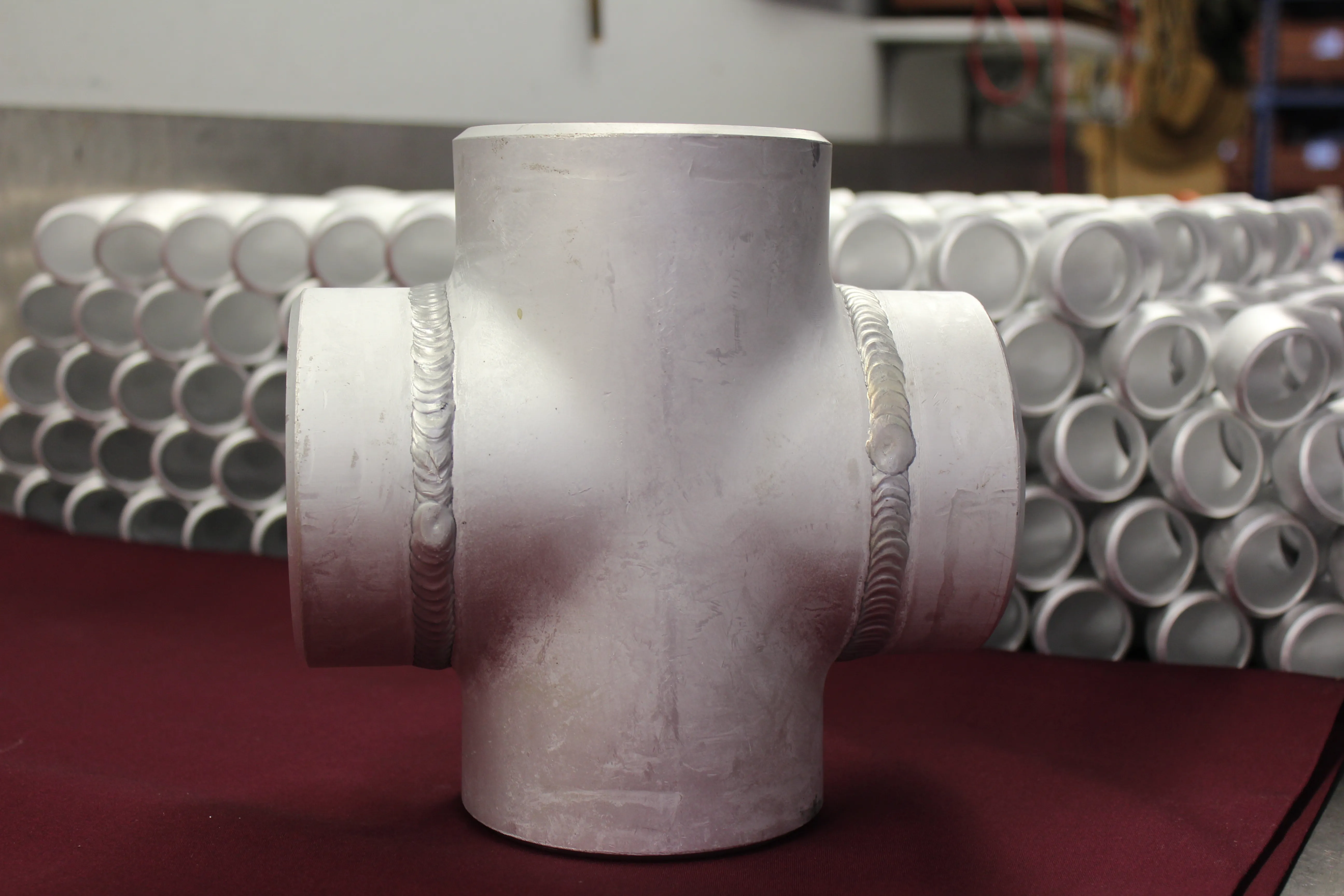
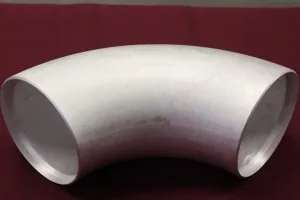
For a butt-weld system, common fitting jobs are straightforward: elbows change direction, tees create branches, reducers change nominal pipe size, and caps close a run. The site’s aluminum butt-weld fitting range shows the listed configurations, sizes, and schedules that provide a useful starting point. A threaded system uses a different group of components, such as couplings, bushings, plugs, unions, nipples, and adapters, because the assembly method and mating ends are different.
Do not make a fitting solve a problem it was not designed to solve. A nipple adds a short length between compatible threaded parts, but it does not replace a reducer when the line must change size. A bushing reduces a threaded opening, but it does not automatically duplicate the geometry of a butt-weld reducer. A union permits a removable connection, but it must be selected around the components and access needed to assemble it.
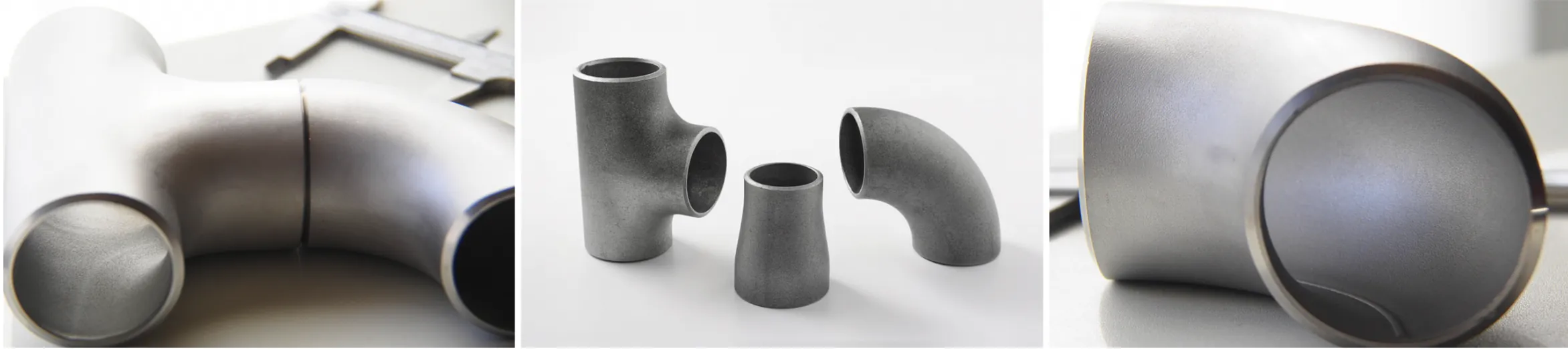
Match the nominal pipe size and wall across the connection
Nominal pipe size identifies a pipe and fitting family, but it is not the entire fit-up. The pipe wall or schedule affects the bore, end relationship, and how a fitting aligns with the adjacent pipe. When a request gives only a nominal size, there can still be important unanswered questions about the wall, end preparation, and connection geometry.
Start by writing the nominal size at every connection. A reducing tee needs the run sizes and branch size. A reducer needs its larger and smaller ends. A flanged or threaded assembly needs the size and connection details for each mating part. Then add the schedule or actual wall requirement for the pipe and the fitting where it applies. This is especially important where the work includes a mix of existing pipe, new pipe, standard fittings, and a custom spool.
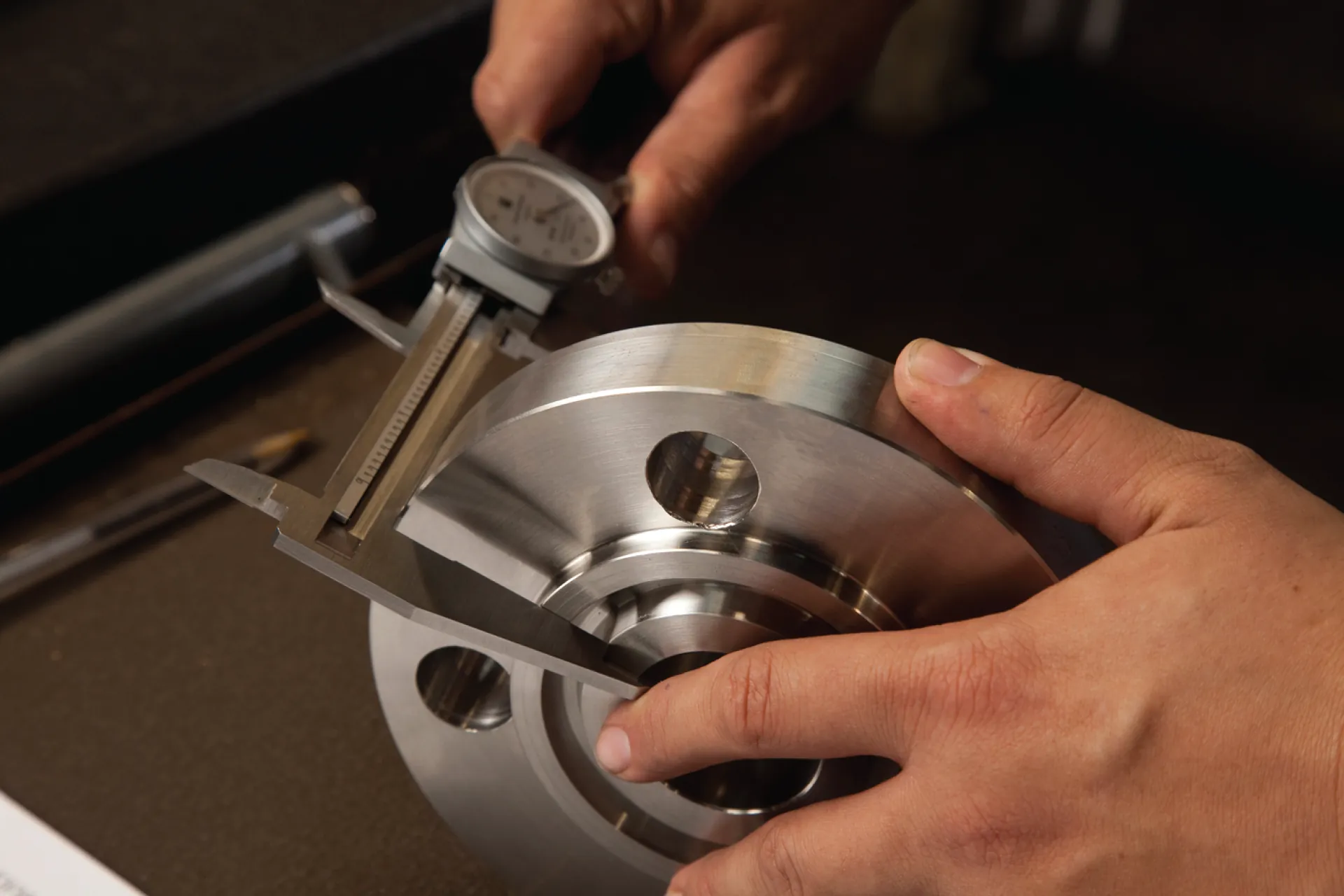
Dimension charts are useful for comparing likely fitting geometry before ordering. The site’s fitting dimension charts provide reference points for elbows, tees, caps, reducers, and crosses. They should be read alongside the drawing and the purchase specification, not used as final approval for a nonstandard assembly. A correct nominal size does not guarantee that the center-to-end dimension, bore, wall, or installed elevation will work in the field.
Choose the connection method before selecting the fitting
The connection method determines how the pipe and fitting join. Butt-weld fittings are prepared to be welded to compatible pipe. Threaded fittings rely on the specified thread form and compatible male and female ends. Socket-weld fittings receive the pipe into a socket and need to match the pipe and project requirements. Flanged connections join with a specified flange style, facing, bore, drilling pattern, and mating arrangement.
Each method has its own information requirements. A butt-weld request needs the fitting geometry, nominal size, wall or schedule, alloy, and end-preparation details. A threaded request needs the thread standard, size, gender, and mating components in addition to the material and fitting type. The socket-weld fitting page, pressure fitting range, and aluminum flange options help separate these connection paths before a buyer begins comparing parts that only look similar.
For factory-made wrought butt-welding fittings, ASME B16.9 is the standard to review for dimensions, tolerances, testing, and markings. The standard gives the industry a shared way to describe the fitting, but it does not fill in missing project details such as alloy, wall, drawing requirements, or the service conditions of the line.
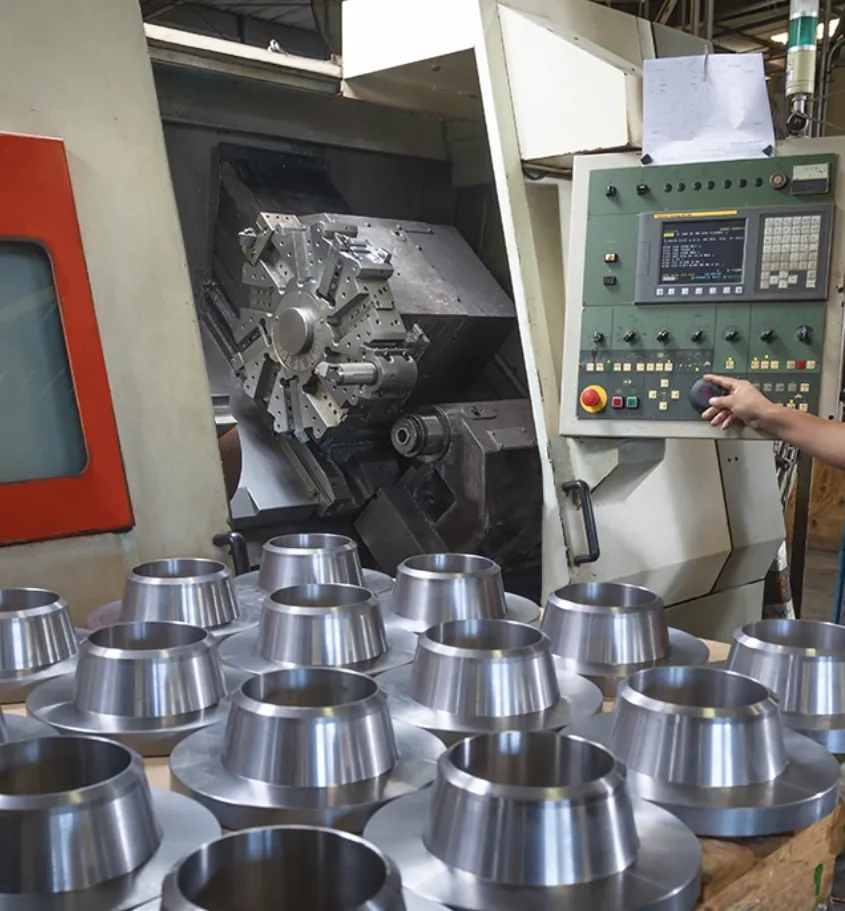
Keep alloy and product form connected to the job
Aluminum is not a complete material callout. The alloy and temper need to follow the project specification, service environment, joining process, and documentation requirements. Aluminum Pipe Fittings lists 5086 H32 and 6061 T6 aluminum fitting alloys for its stocked fitting range. The final material path should be selected around the actual pipe-and-fitting requirement, not simply because one alloy is familiar.
Product form matters as well. Pipe, tube, wrought butt-welding fittings, threaded components, and machined connectors can each be subject to different material and manufacturing requirements. For factory-made wrought aluminum and aluminum-alloy welding fittings, ASTM B361 is an important reference. It applies to factory-made wrought aluminum welding fittings and helps distinguish that product class from other aluminum components in a piping package.
A complete material requirement also keeps the supporting records clear. If the job requires material test reports, traceability, inspection, cleaning, marking, or a particular construction class, include those needs in the initial request. They are part of what the buyer is asking to receive, not a late addition after a fitting configuration has already been priced.
Use fitting geometry to protect the installation
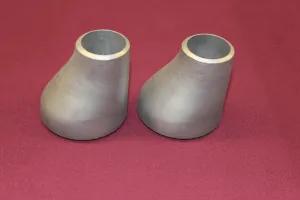
Every fitting changes the physical path of the line. A long-radius elbow and a short-radius elbow turn the same direction but do not land at the same downstream location. A concentric reducer and an eccentric reducer join the same two nominal sizes but control the centerline differently. A tee creates a branch, so its run and branch dimensions affect nearby valves, supports, nozzles, and available straight pipe.
Locate the fixed conditions before deciding that a fitting is interchangeable. These might be a vessel nozzle, a flange face, a pump connection, a valve handle, an existing support, a drain point, or a section of pipe that cannot move. Trace the route from that fixed point through the fitting to the next connection. This makes it easier to spot clearance and alignment issues while the order can still reflect the actual installation.
For a direction change, review the aluminum pipe elbow options and the relevant elbow dimensions. For a branch, compare the run and branch requirements on the aluminum tee fitting page. For a size change, confirm whether the piping design needs a centered or offset transition through the aluminum reducer options. These pages help buyers turn a general fitting label into a specific configuration that can be evaluated against the assembly.
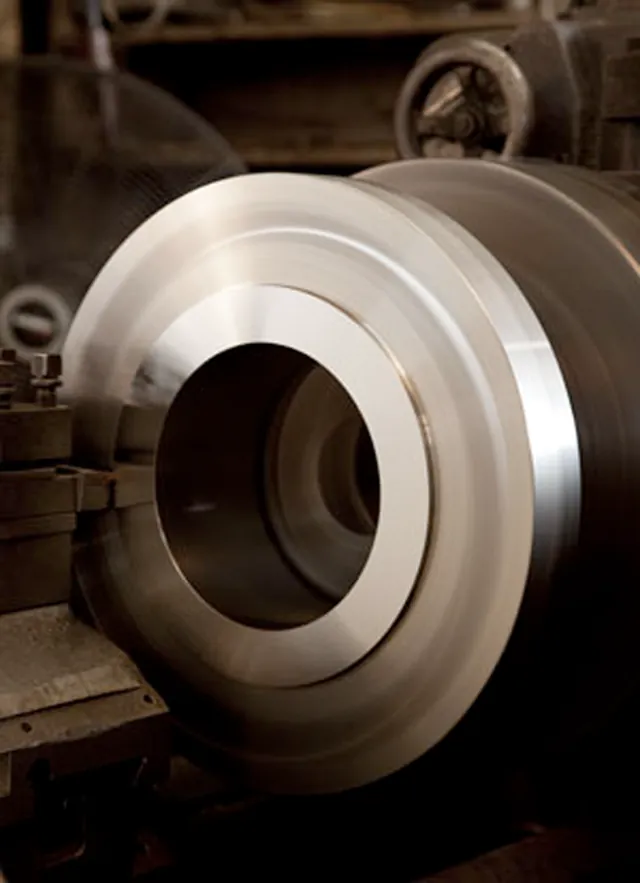
Review the pipe and fittings as an assembly
A line item that looks complete on its own can still be incomplete in the assembly. Review the pipe, fitting, and the components immediately before and after it. Confirm the nominal sizes, wall relationship, alloy, end preparation, and required dimensions together. If the system includes a valve, instrument, hose connection, flange, union, or fabricated spool, include that surrounding context in the review.
This matters most in replacement work. The removed component may have been modified, installed in a tight space, or paired with a connection standard that is not obvious from a photo. Begin with the function of the existing item: does it turn the line, reduce a size, bridge a gap, join to a flange, create a branch, or permit disassembly? Then capture the mating ends, visible markings, and the installed dimensions that cannot move.
When the standard range does not match the drawing, do not force the job into the nearest catalog part. Aluminum Pipe Fittings supports machined connectors and custom work, as well as custom fittings, flanges, and pipe. A marked-up drawing that identifies controlled dimensions, end conditions, material, quantity, and timing gives the team a practical basis to determine whether a standard component, a modified item, or a custom path is appropriate.
Build a useful aluminum pipe and fittings request
A clear request allows the supplier to review the real piping requirement instead of inferring key details. Begin with the pipe size and wall or schedule. Add the fitting type, size at every opening, connection method, alloy and temper, and quantity. Then include the drawing, relevant standard, documentation needs, delivery location, and needed-by date when those details affect the scope.
For a package, send the full list of pipe, fittings, flanges, and companion components when possible. Seeing the parts together can expose a missing transition, an incompatible connection, or a dimension that needs to be controlled before the work begins. For a replacement, add photos of the part and both mating ends, plus the installed dimension that must be held.
Common mistakes that create fit-up problems
The first mistake is selecting by nominal size alone. A nominal match does not establish the wall, connection method, or fitting geometry. The second is treating “aluminum” as a complete material description when the job requires a defined alloy, temper, product form, or documentation path. The third is assuming a fitting that looks similar will land in the same place once it is installed.
Another common problem is separating the fitting from the rest of the piping system. A reducer can change elevation. A threaded item can require rotation during assembly. A flange can need a specific facing, bore, and mating component. A branch can affect the available weld length and valve clearance. Review the components as a connected path before releasing a purchase order.
How Aluminum Pipe Fittings can help
Aluminum Pipe Fittings is a division of South Coast Industrial Metals. The company supplies 5086 H32 and 6061 T6 aluminum fittings from stock in sizes from 1/2 in. through 8 in., with custom fittings, flanges, and pipe available up to 48 in. That range is most useful when the pipe and fitting requirements are reviewed as one assembly instead of a collection of unrelated parts.
Start with the butt-weld fitting range, review the relevant dimension charts, and use the quote request page to send the pipe sizes, fitting list, alloy, wall, end details, drawing, quantity, and timing together. That gives the sales team the information needed to identify a practical fitting path for the job.
Frequently asked questions
What information is needed to specify aluminum pipe and fittings?
Start with the pipe size, wall or schedule, alloy and temper, connection method, fitting geometry, quantity, and project drawing. Add the service requirements, documentation needs, delivery location, and needed-by date when they affect the order.
Do aluminum pipe and fittings need to be the same alloy?
The project specification should identify the required material path. Pipe and fittings should be reviewed as connected components, including alloy, temper, joining method, service requirements, and documentation, rather than selected independently by material name alone.
How do I know whether I need a butt-weld or threaded fitting?
The adjacent pipe and connection design decide the fitting path. Butt-weld fittings are prepared for welding to compatible pipe, while threaded fittings need the correct thread form, size, gender, and mating components. Do not substitute one connection style for the other without reviewing the complete assembly.
Why does pipe wall or schedule matter when selecting fittings?
Wall or schedule affects the pipe bore, fit-up, end preparation, and the relationship between the fitting and adjacent pipe. A nominal pipe size alone does not define every dimension needed for a practical connection.
When should I send a drawing with an aluminum pipe fitting request?
Send a drawing when the work involves a replacement, a fixed installation dimension, a reducer, a branch connection, a flange, a custom part, or any requirement that cannot be fully described in a standard line item. A marked-up sketch is often enough to show the dimensions and orientation that control the fit.