Pipe fitting nomenclature is the language that turns a familiar-looking part into a usable requirement. “Elbow” or “tee” is a start, but it does not tell a fabricator, buyer or supplier the angle, size relationship, wall, alloy, connection or drawing detail that makes the part fit the job. Clear naming prevents a quotation from becoming a guessing exercise.
This guide explains the common terms used to describe industrial pipe fittings and the details that should travel with each term. It is written for buyers, estimators and project teams preparing an aluminum piping request, not as a substitute for the project specification or approved drawing.
Start with the fitting’s job in the piping run
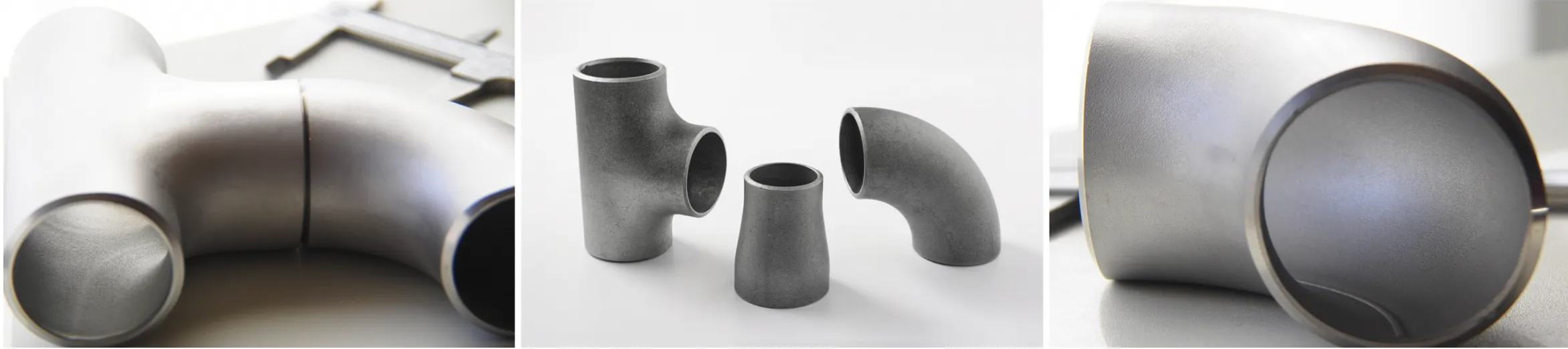
Most fitting names describe the job the component performs. An elbow changes direction. A tee creates a branch. A reducer changes pipe size. A cap closes the end of a line. A coupling joins two pipe ends, while a union creates a detachable joint. A flange provides a bolted connection to another flange, nozzle, valve or piece of equipment.
That first word matters because it establishes the geometry. It is not the whole description. Two 90-degree elbows can have different radii, end preparations and wall requirements. Two tees can differ because one has equal openings and the other has a reduced branch. The aluminum butt-weld fitting range shows why fitting family and connection details must be read together.
Know the difference between pipe, tube and nominal size
In everyday conversation, pipe and tube are often used interchangeably. In a specification, that shortcut can create trouble. The size system, wall designation, material standard and mating connection determine whether two products actually work together. A nominal pipe size is a standardized designation, not a complete physical description of every pipe dimension.
For a fitting request, keep the size convention used by the drawing. Do not switch from nominal pipe size to a measured outside diameter midway through the list unless the document calls for both. Include the schedule or direct wall thickness when it governs the connection. This is especially important at butt-weld ends, where the adjoining pipe and fitting have to align as an assembly.
The site’s dimension charts are useful for an early geometry check, but they are reference tools. The project drawing, the applicable material requirement and the actual mating components remain the basis for final selection.
Terms for direction changes: elbows, bends and returns
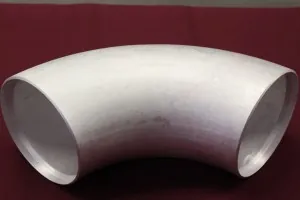
An elbow changes the direction of the pipe route. The angle is part of its name, commonly 45 degrees, 90 degrees or 180 degrees. The radius can matter just as much. A long-radius elbow has a larger centerline radius than a short-radius elbow of the same nominal size, so it changes both the space claim and the piping route.
A return bends the line back through 180 degrees. A fabricated bend may be described by its bend radius and angle rather than by a standard elbow name. Do not assume those terms are interchangeable. Use the drawing to identify whether the installation needs a standard elbow, a return, or a fabricated item with a particular radius and straight-end length.
When an elbow is named in a request, add the angle, nominal size, radius requirement, schedule or wall, alloy, end condition and quantity. The pipe elbow dimensions guide and long-radius elbow reference help readers recognize which dimensions need a closer look.
Terms for branches: tees, crosses, laterals and outlets
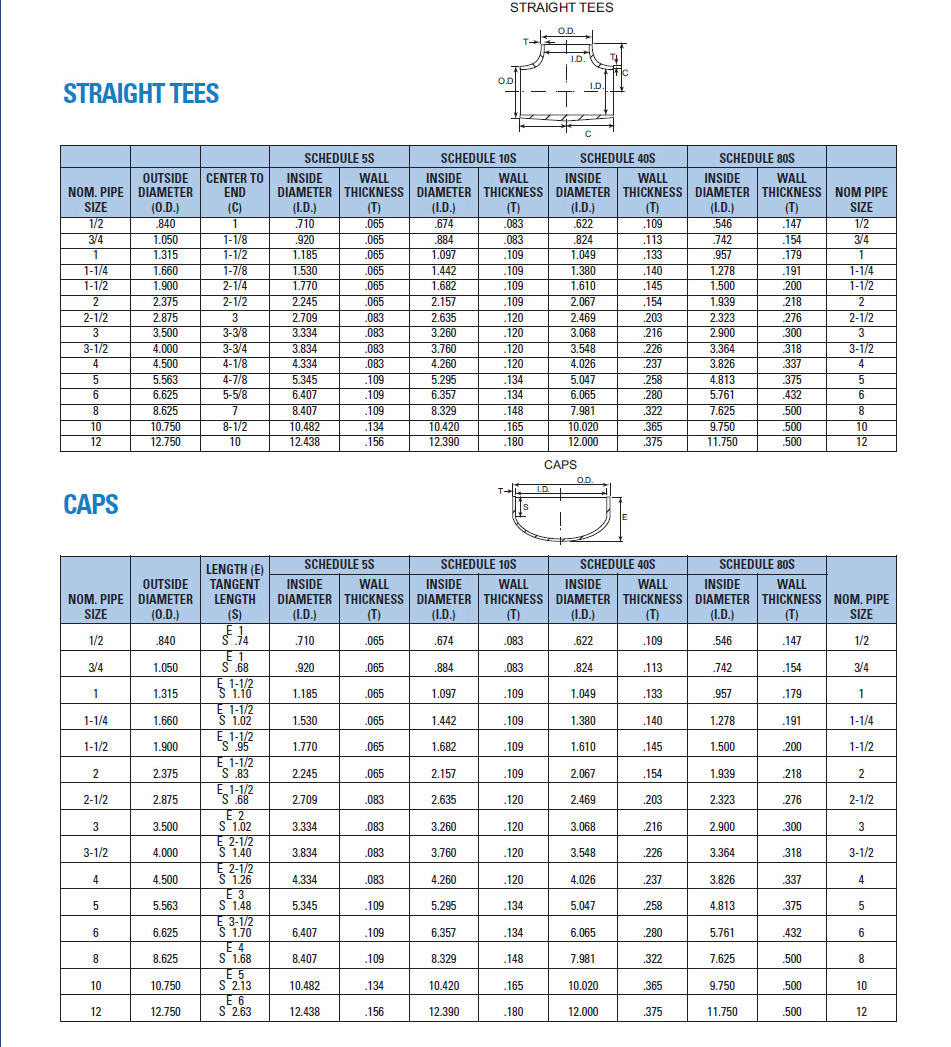
A tee has a straight run with one branch at 90 degrees. An equal tee has the same nominal size at all three openings. A reducing tee has a smaller branch or run connection. In a written callout, the order of the sizes should make the run and branch relationship clear rather than leaving the supplier to infer it.
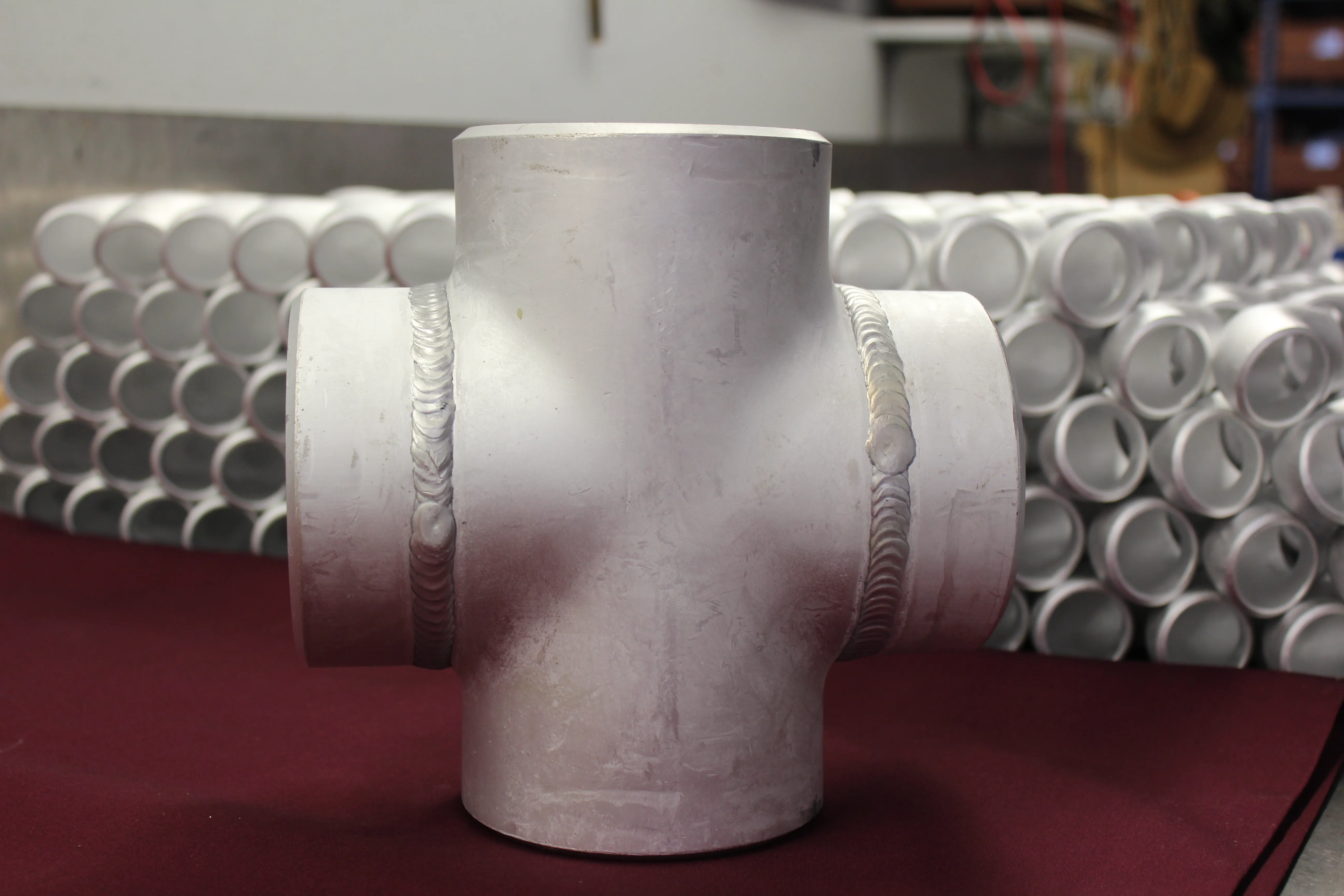
A cross has four openings, usually two opposite run connections and two opposed branches. A lateral or wye creates a branch at an angle rather than a right angle. An outlet fitting can describe a branch connection added to a run pipe, but the exact term and construction should follow the project document. Each geometry solves a different routing problem, even when the nominal pipe size is the same.
For tees and crosses, list every opening size and the branch orientation if it matters to the assembly. The aluminum tee fitting page and its dimension references give buyers a practical place to compare equal and reducing configurations before sending a request.
Terms for size changes: concentric and eccentric reducers
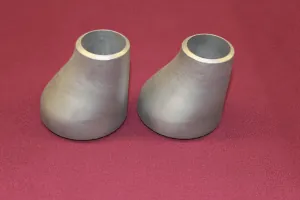
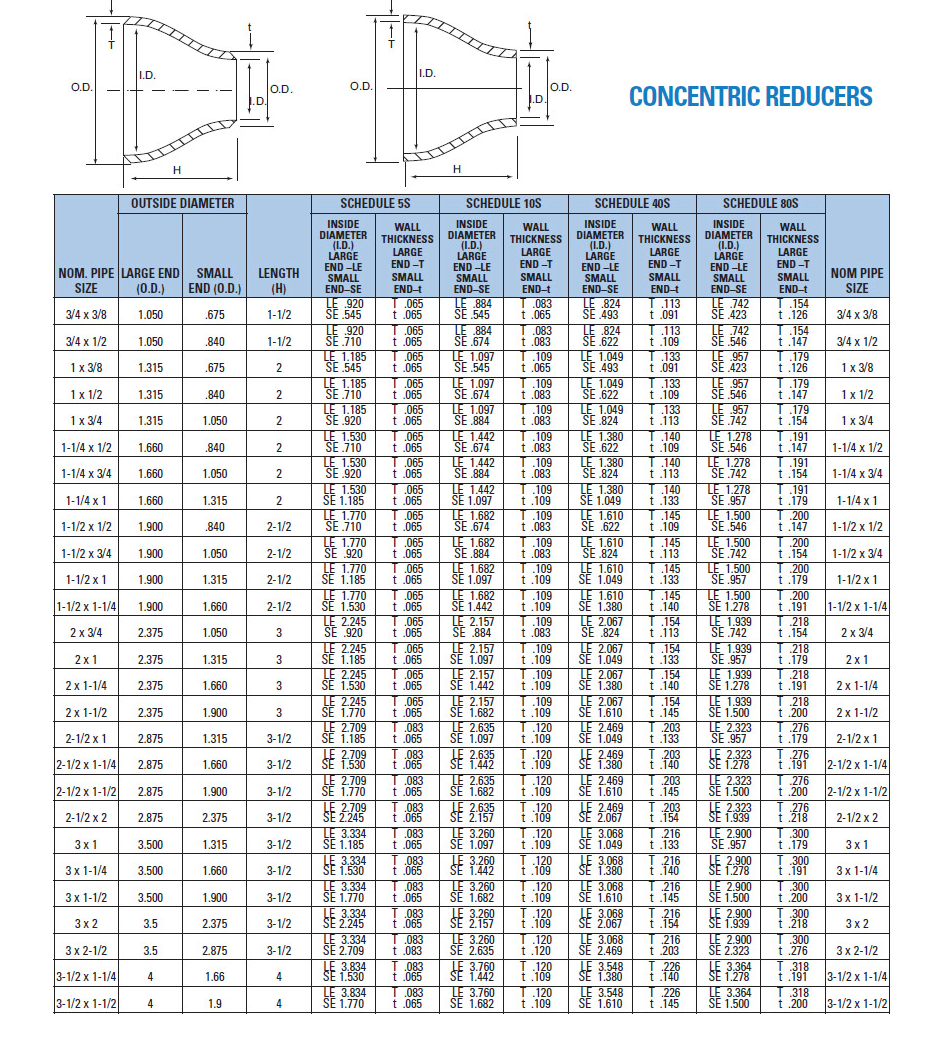
A reducer connects different pipe sizes. A concentric reducer keeps the smaller pipe centered on the larger pipe’s centerline. An eccentric reducer offsets one side, creating a flat side when it is oriented as the drawing requires. The name alone does not determine the correct orientation, so include the drawing or a clear note whenever the flat side, drainage or clearance matters.
State both end sizes, the reducer type, schedule or wall, alloy, end condition and quantity. A phrase such as “4 by 2 reducer” is incomplete if it does not say whether the fitting is concentric or eccentric, and it may still need wall and material information before it can be matched to the adjoining pipe.
The aluminum reducer page and concentric reducer dimensions provide a useful starting point for visualizing these terms. Use the final project documents to settle the configuration.
Terms for ends and connections
The end condition explains how a fitting joins the rest of the system. A butt-weld end is prepared to be welded directly to pipe or another component. A threaded end uses a defined thread form. A socket-weld end receives the pipe into a socket before welding. A flanged end relies on a bolted mating flange, with facing, bore, drilling and pressure class among the details that can govern the joint.
These labels are not decoration. They affect the mating part, fit-up, fabrication approach and the information needed to verify an order. For factory-made wrought butt-welding fittings, ASME B16.9 covers the dimensions, tolerances, ratings, testing and markings for the fitting range it addresses. The applicable standard depends on the actual material and connection, so name the project requirement rather than applying a standard by habit.
For aluminum factory-made wrought welding fittings, ASTM B361 describes aluminum and aluminum-alloy butt-welding and socket-end parts made to the referenced dimensional standards. The project decides whether it applies, but it is a useful reason to keep the alloy, temper, connection and fitting geometry together in the description.
Terms for closures, joints and flanges
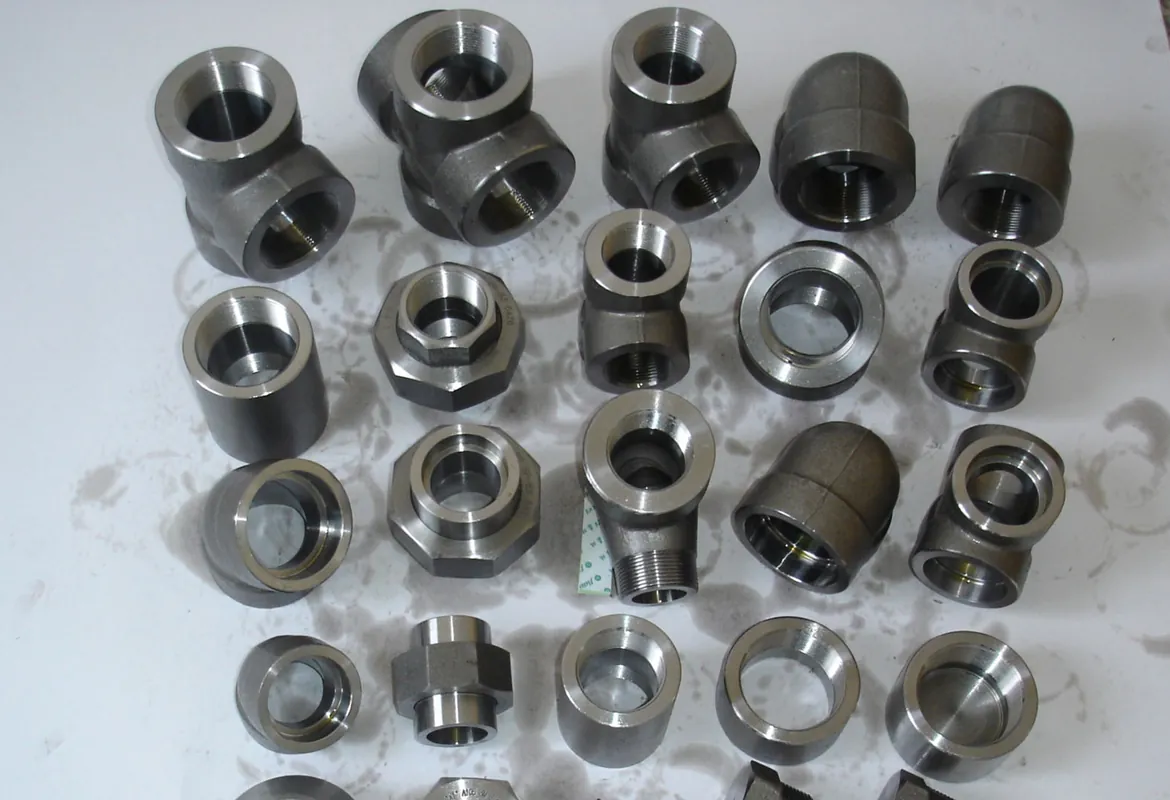
A cap closes the end of a pipe. A plug closes a threaded opening, while a bushing typically adapts one threaded size to another. A coupling joins two pipe ends. A union creates a connection that can be separated without turning the full pipe run. These parts can look small on a bill of materials, but their thread details, seal arrangement and mating requirement can be important.
Flange nomenclature needs equal care. A weld neck, slip-on, blind, threaded, socket-weld or lap-joint flange has a different connection arrangement. The flange description should keep its style, nominal size, alloy, pressure class, facing, bore, drilling and mating component visible. The site’s aluminum pipe flange range shows the principal styles that may appear in a request.
When replacing an existing component, add photographs, markings and measured information to the part name. A nominal size by itself does not establish the face, bore, bolt pattern or the connection at the other side of the joint.
Write a quote-ready fitting description
A reliable line item lets a reviewer recognize the part without rebuilding the drawing from scratch. Start with the fitting type, then include every size, the material or alloy, temper when required, schedule or wall, connection style, governing standard, quantity and any drawing reference. Add critical dimensions, orientation, inspection needs, certificates, delivery location and needed-by date when they affect the result.
Keep unlike components on separate lines. A 90-degree elbow and a 45-degree elbow are not one item merely because the nominal size matches. Neither are a concentric and an eccentric reducer. Separate descriptions reduce the chance that a sensible-looking substitute becomes the default interpretation.
Read fitting shorthand without filling in the blanks
Drawings and material lists often use short descriptions because space is limited. That makes the supporting documents important. A notation may identify an elbow angle and nominal size while the line class, general notes or fabrication specification carries the alloy, wall, end preparation and inspection requirement. Treat the short callout as a pointer to the rest of the package, not as a complete order description.
Reducing fittings deserve an especially deliberate read. For a reducer, confirm which number represents the large end and which represents the small end, then confirm the required geometry. For a reducing tee, identify the run and the branch rather than assuming the last number tells the whole story. If the line has a special orientation, a slope, a drain point or an existing mating connection, attach the drawing section that makes that requirement visible.
It also helps to separate a product name from a project instruction. “Aluminum elbow” identifies a broad family. “90-degree long-radius butt-weld elbow, stated nominal size and wall, specified alloy, drawing reference” gives a reviewer a working requirement. The second description still needs the project documents behind it, but it removes the hidden assumptions that slow down a quote or create avoidable questions after a part arrives.
When the available information conflicts, do not solve the conflict by choosing the most familiar term. Flag the discrepancy and request clarification from the responsible project contact. That is a more reliable path than carrying an ambiguous item forward under a description that looks complete but is not.
How Aluminum Pipe Fittings can help
Aluminum Pipe Fittings supplies 5086 H32 and 6061 T6 aluminum fittings, with stocked sizes from 1/2 in. through 8 in. and custom fittings, flanges and pipe available up to 48 in. When a naming question points to a custom geometry or a complete assembly, the most useful next step is to share the drawing, material list and mating details together.
Start with the aluminum pipe and fittings overview, review the relevant dimension charts, then use the quote request page to send the full requirement. Clear nomenclature gives the review a much stronger starting point.
Frequently asked questions
What does pipe fitting nomenclature mean?
Pipe fitting nomenclature is the set of terms used to identify a fitting’s shape, connection, size relationship and material requirements. A useful description makes clear whether the part is an elbow, tee, reducer, cap, coupling, flange or another component, then adds the details that control fit-up.
Is nominal pipe size the same as outside diameter?
No. Nominal pipe size is a standardized size designation, while outside diameter is a physical measurement. The two work together, but nominal size alone does not establish wall thickness, bore, end condition or every dimension needed for a connection.
How should a reducing pipe fitting be named?
Name the fitting type, then show every connection size in the order used on the drawing or supplier documentation. For a reducing tee, identify the run and branch. For a reducer, give the large-end and small-end sizes and state whether the fitting is concentric or eccentric.
What details belong with a pipe fitting name in a quote request?
Include the fitting type, nominal sizes, schedule or wall, alloy or material, end connection, applicable standard when required, quantity, drawing reference, delivery location and needed-by date. Add the mating-component details when they control the final connection.